
OpenAI DevDay 2026: What Builders Should Test First
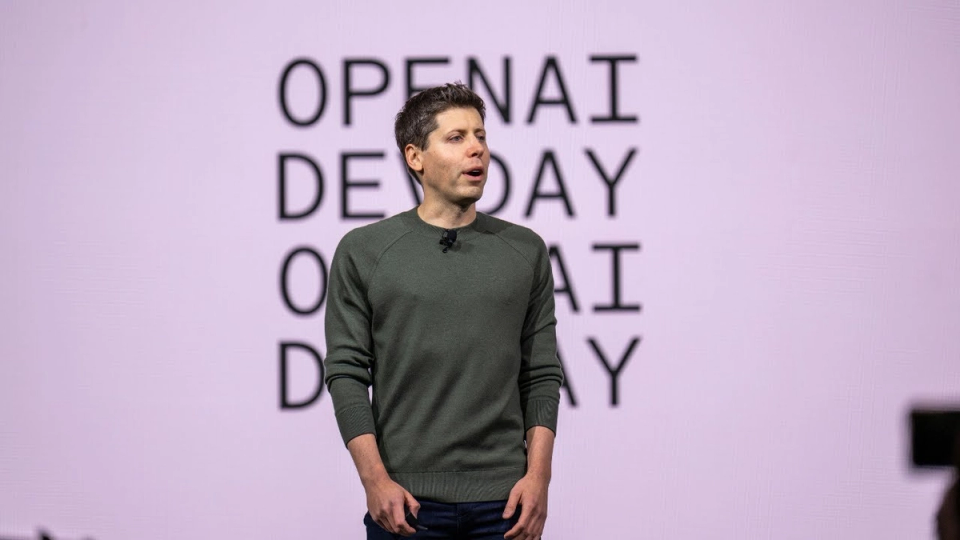
OpenAI DevDay 2026, held September 29 in San Francisco, brought more than 20 announcements across models, APIs, Codex, ChatGPT plugins, and team collaboration. OpenAI says developers can launch native experiences to ChatGPT’s 1.2 billion weekly users. The larger bet is an ecosystem where agents are built, run, and discovered across OpenAI’s products.
For developers, the upside is less integration work and a new distribution surface. The tradeoff is greater dependence on OpenAI’s infrastructure, permissions, and plan rules. Here are the releases, grouped by what they let you do, followed by a short test for deciding what to adopt.
What did OpenAI announce at DevDay 2026?
OpenAI’s official recap lists 25 launches and updates. Some are available now; others remain previews or are planned for later. The announcements fall into five areas.
Models and agent APIs
- GPT-6.1 Sol upgrades coding, computer use, and professional work. OpenAI says it approaches Astra’s intelligence at one-fifth the standard token price. It is in the API and ChatGPT Work and Codex, not regular ChatGPT yet. OpenAI’s model details.
- Ultrafast is a paid speed tier: up to 300 tokens per second, eight times faster in Codex and six times in the API, according to OpenAI. Astra Ultrafast is available; Sol Ultrafast is coming soon.
- Private Intelligence adds zero data retention with private safety processing. A confidential-computing Private Inference preview is planned for this fall.
- Agents API with computer use adds hosted execution, tool search and calling, context compaction, and multi-agent support. Agents can operate software through its interface. OpenAI’s API announcement.
- Decisions API, in limited preview, uses Luna to classify text or images, route requests, or select from predefined answers.
- Bedrock Managed Agents, built with Amazon, runs OpenAI-powered agents inside AWS and connects them to AWS resources.
Codex can work asynchronously
- Codex in the cloud runs tasks while your computer is closed; you can start or monitor them from another device. Reusable team environments share approved settings and permissions.
- Codex CLI adds voice, an
/agentsview, and better prompt editing, session resumption, and worktree workflows. - Code Review brings summaries, diffs, and Codex questions to GitHub and GitLab reviews. Automatic reviews can run in the cloud.
- Codex Security Cloud scans GitHub repositories on demand, on a schedule, and as new commits arrive; it investigates findings and prepares fixes.
ChatGPT becomes a place to distribute tools
- Plugin extensions let developers add sidebar entries, interactive panels, and file viewers. Plugin Creator, submission tracking, recommendations, and directory discovery also got updates.
- Sites can host plugins, with each teammate connecting their own data and permissions.
- MCP events let a change in a connected app trigger a plugin automation.
- Sign in with ChatGPT lets people use their account to sign in to other tools. Eligible Plus and Pro users can use plan allowances across 16 partners.
- OpenAI Marketplace lets eligible enterprise customers spend part of an OpenAI commitment on approved partner products. OpenAI named 32 initial partners.
Agents and teams share work
- Dots are ongoing agents with connected apps and their own cloud computer. OpenAI says they can connect to more than 4,000 apps. They are rolling out to Pro, Business Premium, and Enterprise in eligible markets; Education and Healthcare access is an admin-enabled beta. Dots details.
- Specialist Dots are enterprise agents assigned specific responsibilities. An integration with Microsoft Agent 365 is planned for governance and security management.
- ChatGPT Space gives teams, ChatGPT, and a Dot shared files and project context. Pages are editable documents for people and agents to write, research, and create charts or visualizations. Collaborative slides are planned for the coming weeks.
- Teams and Team Tasks let Business and Enterprise users share work and assign recurring or event-triggered tasks.
- @ChatGPT in Slack and Microsoft Teams brings ChatGPT into channels, threads, and DMs, with access to tools configured by administrators or individual users.
- The Meetings plugin, in beta on macOS for Pro and Business, creates notes and action items; OpenAI says it deletes audio after preparing the notes. Shareable profiles collect Sites and plugins, and let workspace members discover shared skills.
Plans and two keynote notes
- Pro 500 costs $500 a month, includes Ultrafast, and offers 25 times the Plus usage allowance. The current Pro tiers guide says Pro 200 is also available again, with different allowances for some new subscribers.
- OpenAI reported a 45% lower API time to first token and over 30% faster tool calls and workflows, according to the Developer Community’s launch roundup. The recap gives no workload detail, so measure the change on your own traffic.
- The keynote closed with a one-time banked usage reset for users worldwide. The community roundup also records a brief mention of an OpenClaw enterprise harness but no product details; that is not enough to evaluate it as a release.
What is the bigger change for developers?
DevDay connects three parts of an agent workflow: build and run agents with APIs or Codex; extend ChatGPT with plugins; then collaborate with agents inside shared workspaces. That could reduce glue code and put third-party tools in front of a large audience. It also concentrates identity, execution, data access, billing, and discovery in one ecosystem.
The best first use is a bounded task: a read-only research assistant, an agent that prepares a code change for review, or a narrow classifier with a fixed set of outcomes. Before granting broader access, use our agent safety checklist and define where a recommendation turns into a decision with this guide to AI assistance and decision-making. Our September event watchlist makes the same practical point: test the workflow, not the keynote.
What should a team test before adopting one?
Pick one low-risk task and compare it with your current process. Track accepted results, retries, correction time, latency, and total cost. Then check four controls:
- Scope: Which apps, files, and records can the agent reach?
- Authority: Can it read, draft, edit, send, deploy, or delegate?
- Evidence: Can you inspect its actions and verify the result?
- Recovery: Can you stop it, undo a change, and resolve a timeout safely?
For Decisions API, test ambiguous cases against human-reviewed examples. For Codex, begin in a disposable repository and review before merging. Expand only when results are verifiable and the agent has no more permission than the task needs.
The bottom line
OpenAI DevDay 2026 was a platform expansion: cheaper or faster model access, hosted agents, asynchronous coding, plugins, and shared ChatGPT work. Developers get more ways to build and distribute agent workflows, alongside more provider dependency.
Start with one bounded task. Measure whether it saves time after correction and review, check what it can change, and keep a clear recovery path. That will tell you more than a fast demo.